Accessory Dwelling Units (ADUs) have become one of the most popular ways to expand living space and generate rental income in Los Angeles. However, before starting a project, it’s essential to understand the local regulations, zoning requirements, and recent law updates that directly impact how ADUs are built and approved.
What Is an ADU and Why It Matters
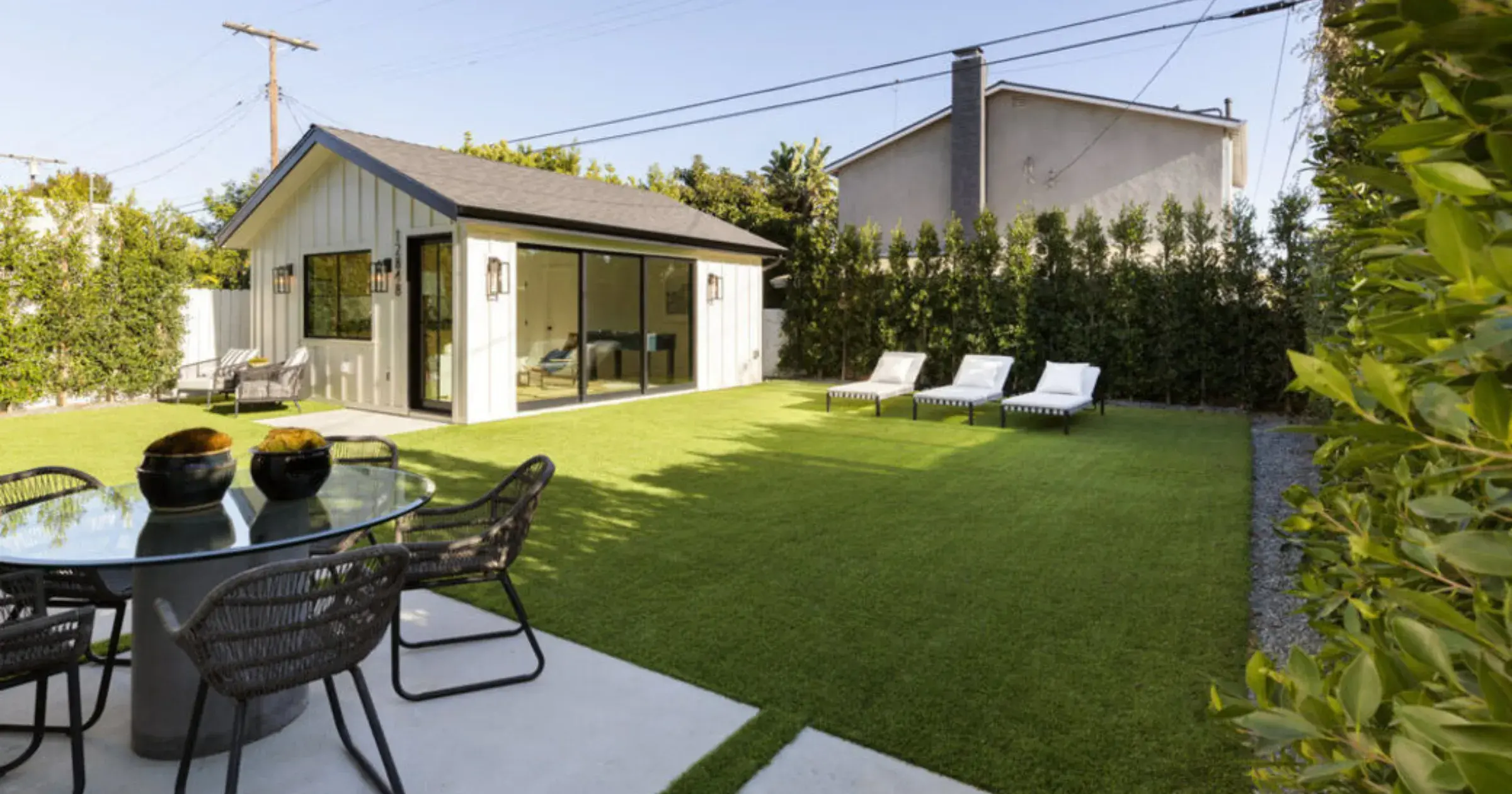
An Accessory Dwelling Unit (ADU) is a secondary housing unit built on the same lot as a primary residence. It can be attached, detached, or converted from an existing space like a garage. These units include full living facilities such as a kitchen, bathroom, and sleeping area.
ADUs are a major solution to Los Angeles’ housing shortage, offering homeowners the ability to increase property value and generate additional income while maximizing existing space.
Zoning and Property Requirements
In Los Angeles, ADUs are allowed on both single-family and multi-family residential properties, as long as there is an existing or proposed primary dwelling.
Key zoning considerations include:
- Minimum setbacks of around 4 feet from side and rear property lines
- Height limits typically around 16 feet (varies by zoning)
- Must comply with lot coverage and building separation rules
- Property must be zoned for residential use
These requirements ensure that ADUs integrate properly within existing neighborhoods while maintaining safety and structure compliance.
Permits and Approval Process in Los Angeles
One of the biggest advantages of building an ADU today is the streamlined approval process. California law requires cities like Los Angeles to approve ADU permits within 60 days if the project meets all requirements.
The typical process includes:
- Site and zoning review
- Architectural design and plans
- Permit submission through LADBS
- Plan check and approval
- Construction and final inspection
Additionally, Los Angeles offers pre-approved standard plans that can significantly speed up the process and reduce design costs.
Recent ADU Law Updates (2025 and Beyond)
Recent updates to California and Los Angeles ADU laws have made building easier and more flexible. These changes include:
- Reduced parking requirements, especially near public transit
- Faster permitting and online submission systems
- Ability to build multiple ADUs on multi-family properties
- Removal of certain owner-occupancy restrictions
- Easier legalization of existing unpermitted ADUs
These updates have significantly increased ADU construction across California, making them more accessible for homeowners and investors.
Size, Types, and Design Options
There are different types of ADUs available depending on your property:
- Detached ADU: Separate structure in the backyard
- Attached ADU: Connected to the main home
- Garage Conversion: One of the most common options
- Junior ADU (JADU): Up to 500 sq ft, often within the main home
State law allows cities to set size limits, but generally ADUs can be up to 850–1,000 sq ft or more depending on layout and configuration.
Key Considerations Before Building an ADU
Before starting your ADU project, keep these factors in mind:
- Ensure your property qualifies under zoning regulations
- Plan for utility connections and infrastructure
- Understand how the ADU may affect property taxes
- Work with experienced contractors familiar with LA codes
- Verify all permits to avoid legal issues
Proper planning ensures a smoother process and helps avoid delays or unexpected costs.
Final Thoughts
Understanding ADU regulations in Los Angeles is essential for a successful project. With updated laws, faster approvals, and fewer restrictions, building an ADU has never been more accessible.
By following local guidelines, securing permits, and working with the right professionals, you can maximize your property’s potential and create a valuable, functional living space that delivers long-term returns.